5 Essential Lawn Care Tips for a Lush, Green Yard

February 17, 2025

5 Essential Lawn Care Tips for a Lush, Green Yard

Achieve a Healthy, Vibrant Lawn with These Expert Tips

A lush, green lawn doesn’t happen by chance—it requires proper care, consistency, and the right techniques. Whether you’re a homeowner looking to enhance your yard or a business wanting to maintain curb appeal, following essential lawn care practices can make all the difference. In this guide, we’ll explore five key lawn care tips to help you grow and maintain a healthy, vibrant lawn all year long.

1. Mow at the Right Height

One of the most important factors in lawn care is proper mowing. Cutting your grass too short can weaken the roots, making it more vulnerable to weeds, pests, and drought. On the other hand, letting it grow too tall can create a messy, unkempt look.

Best Mowing Practices:

  • Keep your grass at 2.5 to 4 inches in height, depending on the grass type.
  • Never cut more than one-third of the blade length at a time.
  • Mow regularly, especially during peak growing seasons.
  • Use a sharp mower blade to ensure clean cuts and reduce stress on the grass.

2. Water Deeply and Infrequently

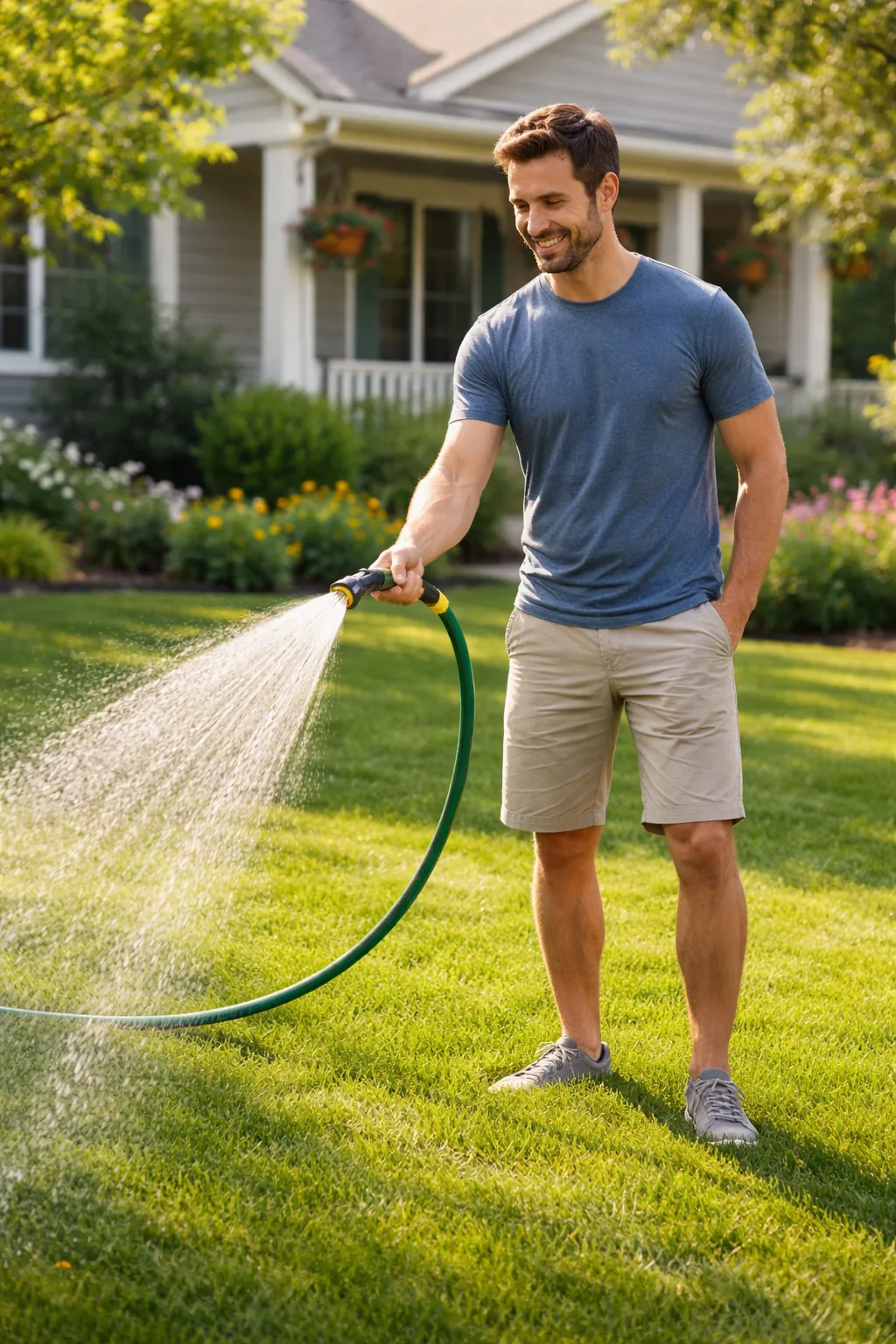
Watering is crucial for a lush lawn, but how and when you water makes a significant difference. Many homeowners overwater or underwater their grass, leading to unhealthy turf.

Effective Watering Tips:

  • Water early in the morning (before 10 AM) to reduce evaporation and allow deep absorption.
  • Provide 1 to 1.5 inches of water per week, including rainfall.
  • Use deep, infrequent watering rather than daily light watering to encourage deep root growth.
  • Avoid watering at night, as it can promote fungal diseases.

3. Fertilize Properly for Strong Growth

Fertilization provides essential nutrients that your lawn needs to thrive. However, using the wrong type or applying too much can harm the grass.

Fertilization Best Practices:

  • Use a slow-release, nitrogen-rich fertilizer to promote steady growth.
  • Apply fertilizer at the right times, typically in spring and fall for cool-season grasses and summer for warm-season grasses.
  • Avoid fertilizing before heavy rain to prevent nutrient runoff.
  • Consider organic options for a more eco-friendly approach.

4. Control Weeds Before They Take Over

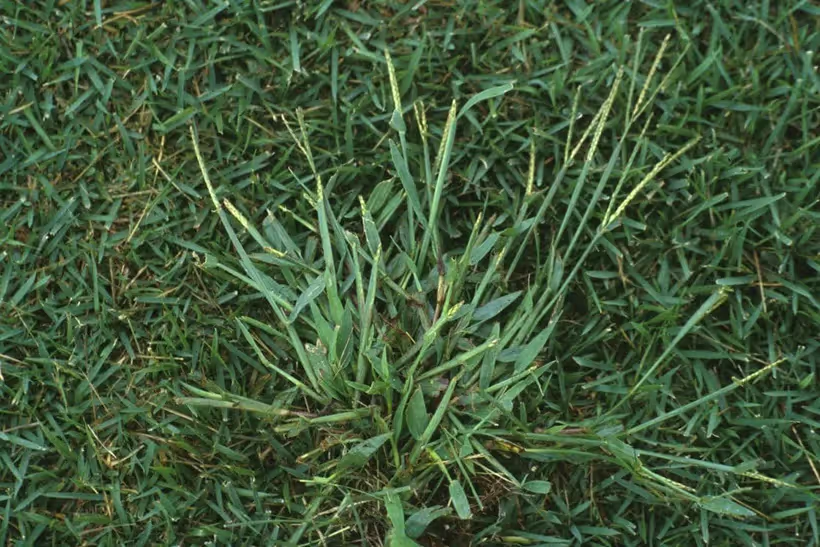
Weeds can quickly invade your lawn, stealing nutrients and moisture from healthy grass. Preventing weed growth is easier than eliminating an infestation.

Weed Control Strategies:

  • Apply pre-emergent herbicides in early spring to stop weeds before they sprout.
  • Use post-emergent herbicides for actively growing weeds.
  • Maintain a thick, healthy lawn to naturally crowd out weeds.
  • Hand-pull weeds when necessary, ensuring you remove the entire root.

5. Aerate and Overseed for a Thicker Lawn

Over time, soil can become compacted, limiting root growth and nutrient absorption. Aeration helps loosen the soil, while overseeding fills in thin or bare spots.

How to Aerate and Overseed:

  • Aerate your lawn once a year, preferably in the fall.
  • Use a core aerator to pull small plugs of soil, allowing water and nutrients to penetrate deeper.
  • Overseed right after aeration to improve grass density.
  • Choose a high-quality seed blend suited for your lawn’s conditions.

Final Thoughts

Following these five essential lawn care tips will help you achieve a lush, green lawn that’s healthy, resilient, and beautiful. By mowing correctly, watering efficiently, fertilizing appropriately, controlling weeds, and aerating regularly, you’ll create the perfect outdoor space for relaxation and curb appeal.

Need professional lawn care assistance? Contact Tatum Lawn Care today for expert services, from mowing and fertilization to weed control and aeration. Let us help you achieve the lawn of your dreams!


Owner & Lawn Care Expert
With over 40 years of experience, Bob Tatum leads Tatum Lawn Care, providing reliable residential and commercial lawn services in Moses Lake and beyond. As a second-generation professional, he specializes in custom lawn care, irrigation, and landscape management, ensuring high-quality results for every client. Dedicated to excellence and community service, Bob continues to make Tatum Lawn Care a trusted name in the industry.

How To Identify Common Lawn Pests

If your lawn is looking thin, brown, or unhealthy, lawn pests may be the cause. While issues like improper watering, poor soil, or mowing too short can damage grass, insects often create distinct signs you can spot. You may notice visible insects such as C-shaped grubs in the soil, caterpillars on the surface, or tiny chinch bugs near the base of your grass. Increased bird, mole, raccoon, or skunk activity can also signal pests beneath the surface. If your lawn feels spongy when you walk on it or develops irregular brown patches that don’t improve with watering, insects could be damaging the roots. Different pests leave different clues. Grubs feed on grass roots and cause turf to peel up easily. Chinch bugs suck sap from grass blades, creating dry, brown patches that resemble drought stress. Sod webworms chew grass blades, while billbugs hollow out stems and make grass easy to pull from the soil. Armyworms feed aggressively on grass blades and can create circular bare spots. Identifying the problem is the first step, but proper treatment and prevention are essential to restore your lawn’s healthy, green appearance. Professional lawn care can help you accurately diagnose pest issues and apply the right treatment to protect your yard long-term.
Read more

How to Spot If Your Lawn Is Getting Too Much Water

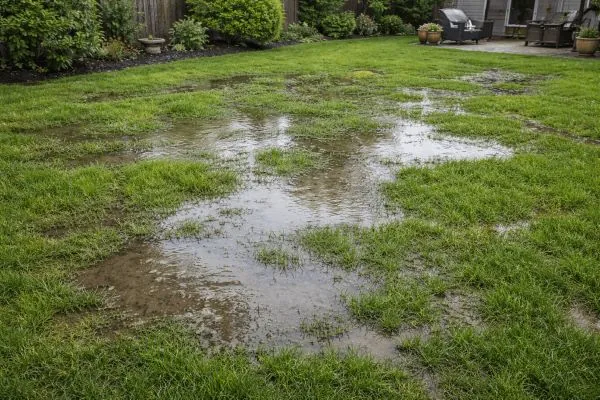
If your lawn is getting too much water, you’ll start to notice clear warning signs. You might see puddles that don’t drain, feel soggy ground under your feet, or notice more weeds thriving in the damp conditions. Your grass may even turn yellow as excess water suffocates the roots, and in worse cases, dead patches can appear due to fungal disease. To keep your lawn healthy, you should water early in the morning, focus on deeper but less frequent watering, aerate the soil to prevent compaction, avoid cutting the grass too short, and remove weeds quickly. By paying attention to these signs and adjusting how you care for your yard, you can maintain the right balance of moisture and keep your grass strong and vibrant.
Read more

When To Stop Watering Your Lawn

Proper lawn watering is essential for maintaining healthy, green grass—but knowing when to stop watering your lawn is just as important as knowing when to start. Overwatering can lead to yellowing grass, fungal diseases, pests, and wasted water. Tatum Lawn Care LLC, serving Moses Lake, recommends adjusting your watering schedule based on weather, soil conditions, and seasonal changes. You should pause watering when rainfall has already provided sufficient moisture, as watering during rainy periods can cause weed growth and lawn disease. If your lawn is showing signs of fungus or pest infestations, excess water can make the problem worse—professional treatment and controlled watering are key. Soil type also matters: sandy soil drains quickly and may need more frequent watering, while clay or loamy soil retains moisture and is more prone to overwatering. As fall approaches, continue watering only as long as the ground remains unfrozen. Once nighttime temperatures stay below 50°F or the first hard frost hits, it’s time to stop watering for the season. Watering frozen soil won’t benefit your grass and can damage your lawn. For expert lawn care, irrigation services, and seasonal watering guidance in Moses Lake, trust Tatum Lawn Care LLC. Call 509-765-4000 today to keep your lawn healthy year-round.
Read more