If your grass is looking a little worse for wear, don't ruleout lawn pests. A wide range of insects can damage your lawn, and restoring itslush, green appearance may require specialized treatments to kill and preventthe return of those pests.
Knowing how to identify lawn pests is the first step indetermining whether this or another problem is plaguing your lawn. For expertassistance, schedule lawn care in Moses Lake.
Identifying Lawn Pests vs. Another LawnProblem
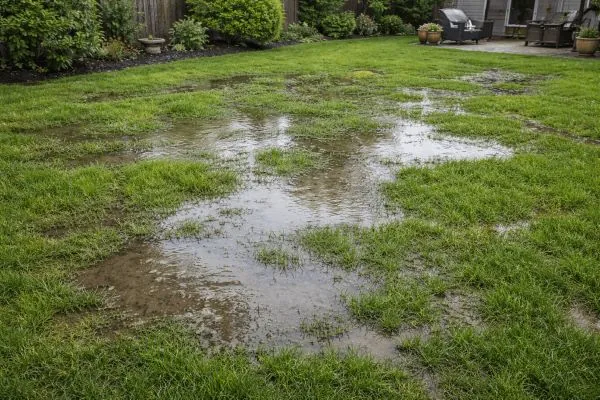
Lawn pests can wreak havoc on your grass, but so can otherfactors like too much or too little water, poor soil quality, or even mowingtoo short. You can start by looking for signs of lawn pest damage to rule outother causes.
General signs that you have lawn pests include:
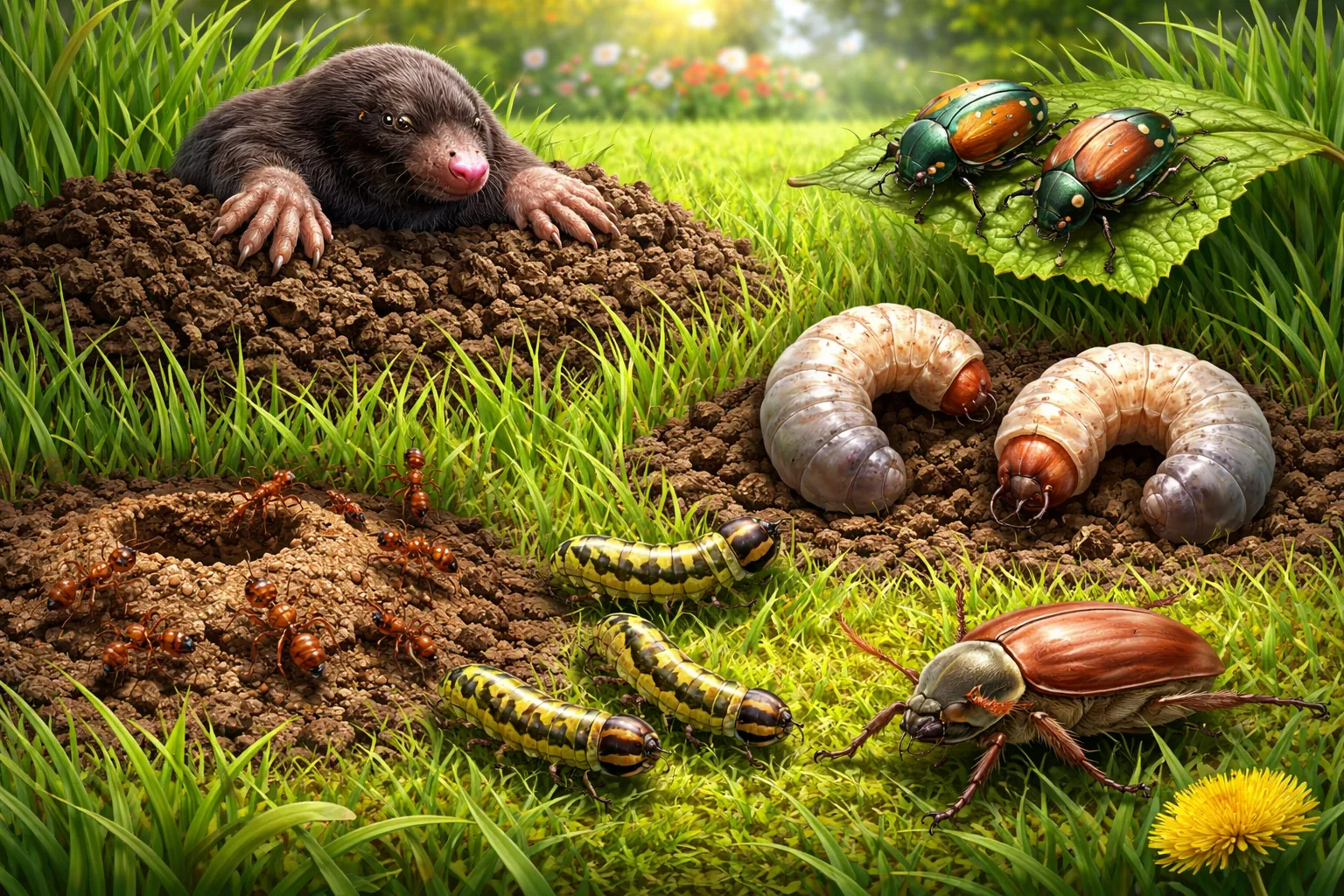
- Visible insects: You may see actual pests near the soil level or emerging from the ground. Look for C-shaped grubs in the dirt, caterpillars above the surface, or tiny chinch bugs. If you see any unusual insects on your lawn, it's worth taking a photo and contacting a professional for help identifying them.
- Increased bird or animal activity: You can also keep an eye out for increased bird activity in your lawn. You might see birds pulling worms or other bugs from the ground. Moles, raccoons, and skunks also feed on lawn pests and might dig up your lawn to access them, increasing the damage.
- Spongy turf: If you have noticed that areas of your lawn feel spongy when walking on them, this is often a tell-tale sign of insect damage.
- Irregular brown patches: Your lawn may develop brown patches from inconsistent watering or scorching in certain areas. But if you notice brown or dead spots in irregular shapes, these could be due to a pest infestation.
If you're following maintenance tips and still notice signs of distress, you may have lawnpests.
Signs of Common Types of Lawn Pests
Along with knowing the general signs of lawn pests, it canbe helpful to understand the specific indicators of some of the most commonpests.
- Grub worms: Grub worms, or "grubs," are white beetles with C-shaped larvae. They feed on grass roots below the surface of the soil. You might notice signs like wilted grass blades that eventually turn brown and die, or you can try peeling back the turf to see if it peels easily and look for grubs underneath.
- Chinch bugs: These are sap-sucking bugs that lay eggs in the grass, reproducing quickly. They cause the turf to take on a purple tint, then eventually wilt and turn brown. Chinch bugs create dry-looking patches of grass, which can often be mistaken for drought stress.
- Sod webworms: These lawn pests are the larvae of the sod webworm moth. The larva is about one inch long with a green or brown color and dark spotting. Meanwhile, the moths are a grayish tan color.
- Billbugs: These larvae have reddish-brown heads and look similar to white grubs, but they have smaller legs. Billbug damage leads to grass that you can pull out of the ground easily and grass stems that have been hollowed out.
- Armyworms: Armyworms are between one and two inches long and can be gray, pink, or yellow in appearance. They eat grass blades and stems, along with other plants. Their invasions create circular bare spots in the grass.
Schedule Professional Lawn Care in MosesLake
Knowing how to identify lawn pests is just half the battle.You also need to know how to treat these lawn care problems and prevent them fromreturning.
Tatum Lawn Care LLC provides professional lawn care andtreatment in the Moses Lake area. Allow us to pinpoint any pests plaguing yourlawn and provide the ideal treatment to restore your yard to a beautiful,vibrant appearance.
Call 509-765-4000 for a free estimate or toschedule service.




.avif)