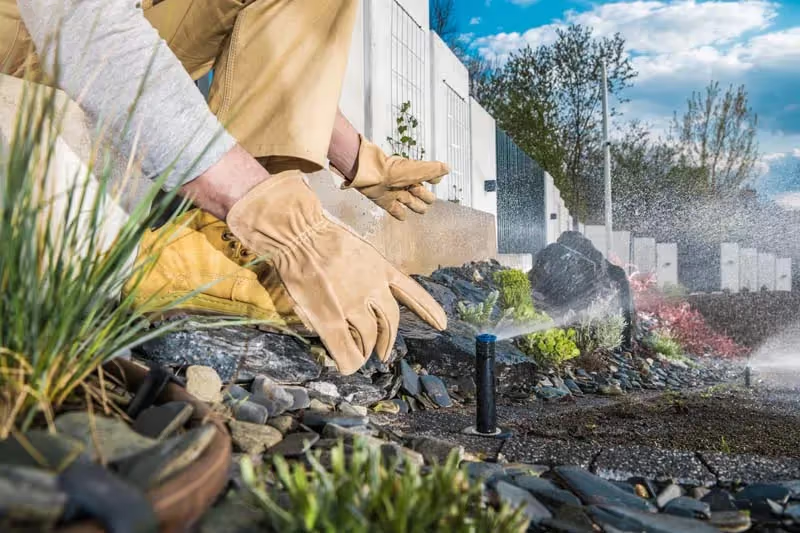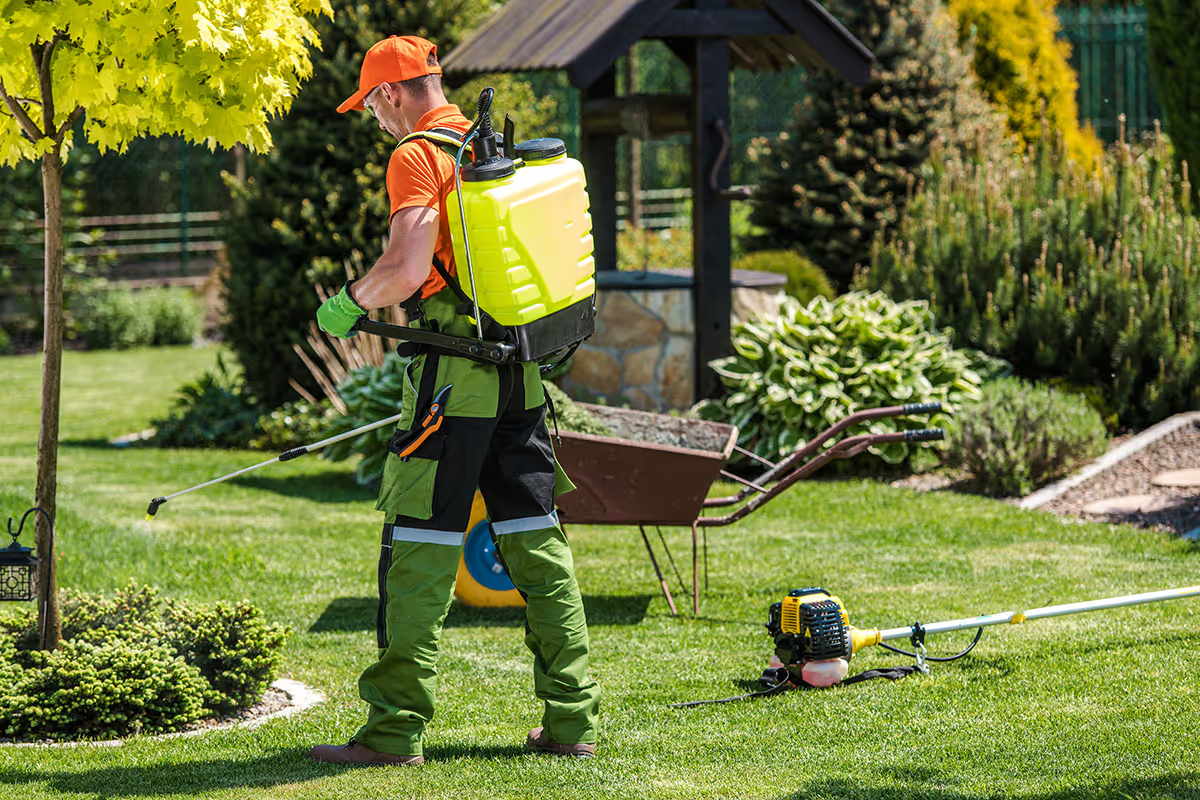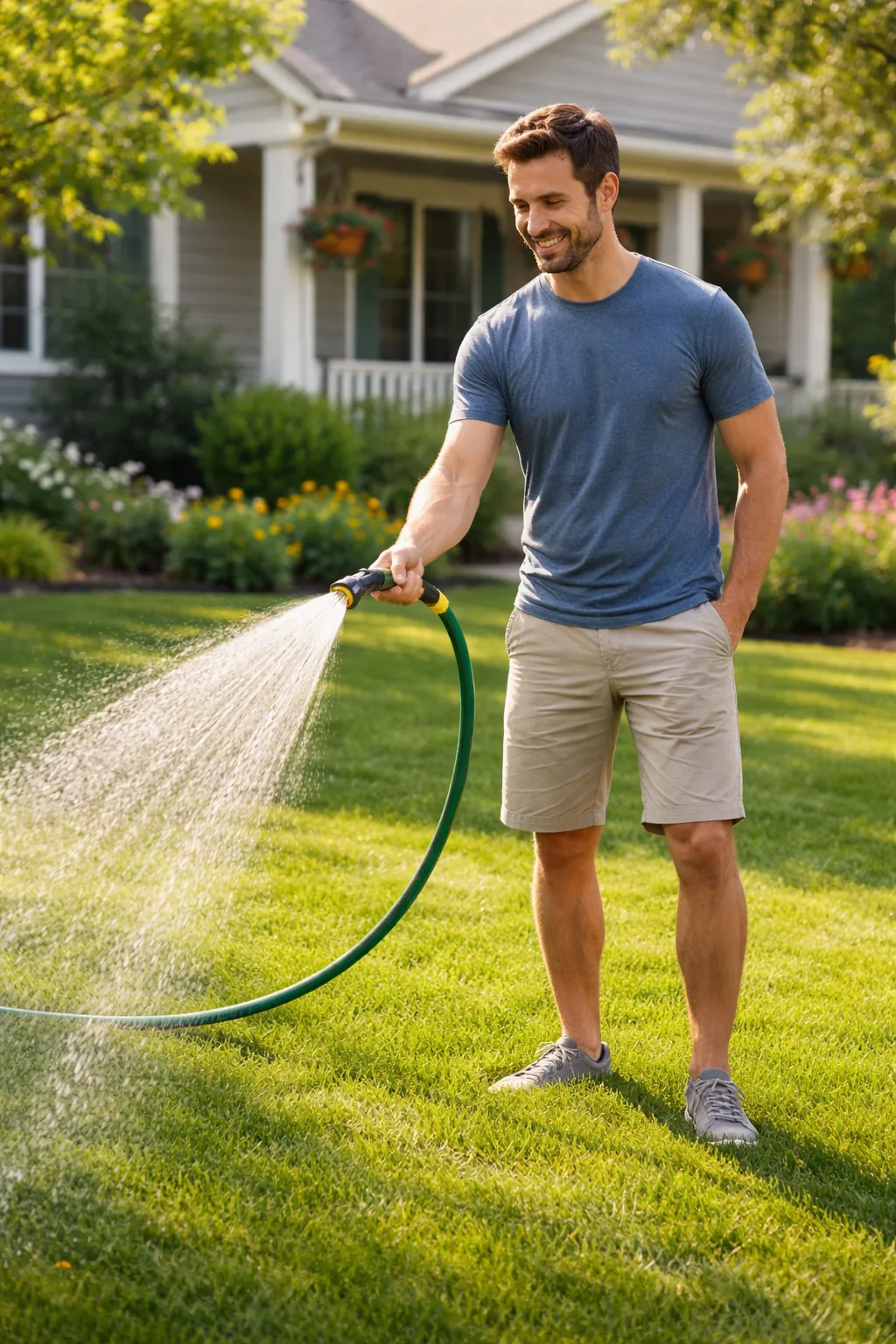
Watering your lawn throughout the growing season is goodpractice. It ensures that the grass blades receive sufficient hydration attheir roots to promote a lush, green, healthy appearance. Well-watered lawnsresist drought, fight off weeds and pests, and add to your curb appeal. Butaside from knowing when to water your lawn, it's just as important tounderstand when to stop watering your lawn.
Tatum Lawn Care LLC provides professional lawn care in Moses Lake and shares expert tips below.
If you want to gain the most benefits from watering yourlawn, watering at the proper times is important. You want to avoid overwatering,which can cause the grass to turn yellow or brown and lead to fungal diseasesand mushrooms. You also want to avoid wasting water during times when it isn'tnecessary.
These are a few times when you may want to evaluate beforeyou begin watering.
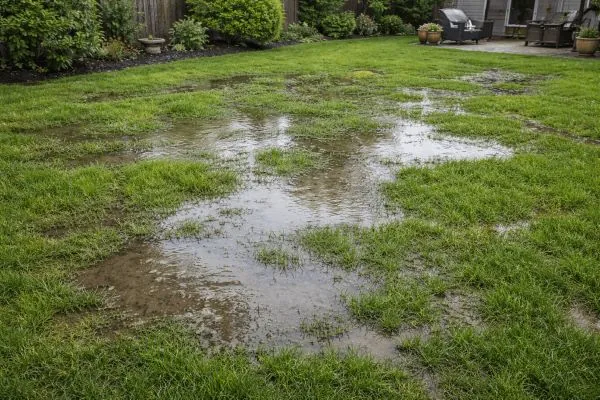
You may water your lawn according to a set schedule and notthink twice about the weather conditions during your weekly watering. But ifit's currently raining or the weather has been rainy recently, you likely don'tneed to turn on the sprinkler or irrigation system. Watering during a rainyperiod can be counterproductive, leading to weeds, pests, or diseases.
Check your weather app to monitor rainfall and keep tabs onhow much water your grass is receiving. Generally, it's best to wait to resumewatering until the ground has dried.
More water isn't always better for struggling lawns,especially those facing pest infestation or disease. In these cases, wateringcan cause the problem to worsen. Fungi thrive in moist environments, andmoisture can attract pests like grubs, ants, and mosquitoes.
In these cases, it's best to contact lawn care professionalsto treat the problem. They can also provide watering tips to help you prevent further issues with pests orfungal diseases.
The question of when to stop watering your lawn can dependon a range of factors, including the quality of the soil. Some types, such assandy soil, do not retain water and drain quickly. This means that they requirea more frequent watering schedule to continually provide the grass with thenecessary hydration.
Meanwhile, loamy soil with clay retains moisture more easilyand does not drain as well as sandy soil. This means that watering toofrequently could lead to overwatering.
Talk with a lawn care expert to understand the quality ofyour soil and how this should impact your watering schedule.
There's no hard-and-fast rule about whether you shouldcontinue watering your lawn through the fall. Often, it is a good idea to waterin the autumn months, especially if rainfall has slowed. But most experts agreethat you should stop watering your lawn after the first hard frost, or when theground begins to freeze.
Watering frozen ground won't allow the moisture to reach theroots, and you risk causing damage if the ground thaws and then refreezes.Instead, it's best to stop your fall watering schedule once the nighttimetemperatures are consistently below 50 or you've experienced several days ofovernight frost.
Knowing when to stop watering your lawn requires you tounderstand a range of factors, such as soil temperature and quality, regionalclimate conditions, lawn dormancy stages, and more. If you're unsure, it neverhurts to consult professionals.
Tatum Lawn Care LLC provides professional lawn care acrossthe greater Moses Lake area. Whether you need help caring for dry, dead grass,want to schedule irrigation system winterization at the end of fall, or want toexplore the benefits of a sprinkler system vs. manual watering, give us a callat 509-765-4000 today.


Discover valuable tips, expert advice, and industry insights on commercial cleaning, floor care, and creating a healthier, more productive space. Stay informed with our latest posts!
See All Blogs
Proudly serving Moses Lake and surrounding areas with expert lawn care and landscaping solutions. Explore our service areas to see how we can help you!
Learn more
.avif)