How To Prevent Weeds in Grass Naturally

Keeping your lawn looking its best can feel like a full-timejob, especially when weeds keep trying to sneak in. They sprout up overnight,competing with your grass for water and nutrients, and detracting from the curbappeal you work hard to maintain. 

However, you don’t need to rely on harsh chemicals to keeppesky weeds from taking hold in your lawn. With the right approach, you cannaturally prevent weeds in your grass while also making it stronger andhealthier. The experts at Tatum Lawn Care LLC share more below.

Start With Soil Health

Weeds usually take advantage of weak spots, and poor soil is oneof their favorite doorways in. If your grass doesn’t have the nutrients itneeds, it won’t stand a chance against invasive plants.

How can you make your soil healthier?

  • Have it tested. A simple test reveals the pH and nutrient balance, so you     know what to add.
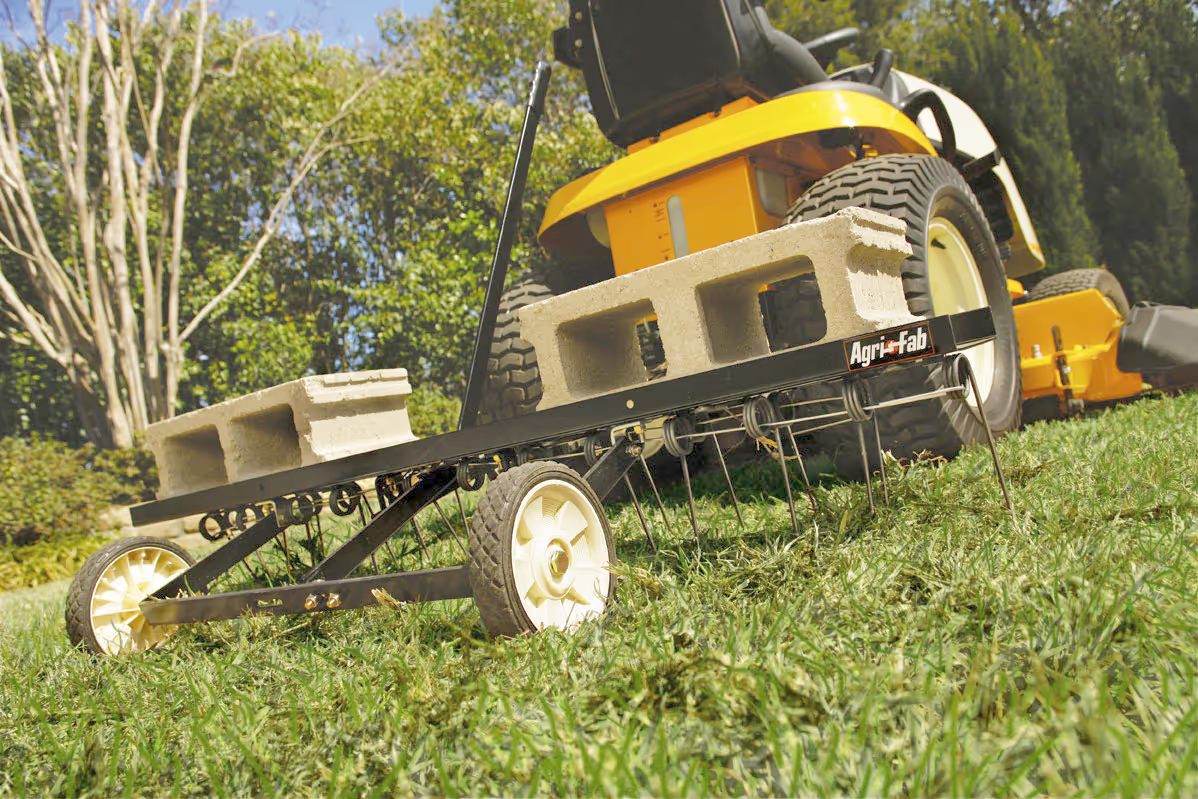
  • Aerate when compacted. Moses Lake’s dry summers often leave the soil     packed tight. Aeration opens things up, allowing water, oxygen, and     nutrients to reach deeper.
  • Feed the soil. Mulching techniques like adding compost or other organic matter     give grass the strength to crowd out weeds.

Healthy soil means stronger roots, and stronger roots meanfewer weeds.

Mow Correctly

Mowing isn’t just about keeping the neighbors and the HOAhappy. Cutting the grass actually plays a huge role in whether weeds take overor not. If you scalp your grass too short, you’re basically rolling out awelcome mat for crabgrass and dandelions.

Aim to keep the grass around three inches high. That’s tallenough to shade the soil so weed seeds have a harder time sprouting, but not sotall that your lawn looks like a hayfield. 

And here’s one more tip: Keep your mower blades sharp. Adull blade doesn’t cut; it rips, and that stresses the grass and leaves itvulnerable to all sorts of issues, including a weed takeover.

Water Wisely

Lawns don’t like little sips of water here and there. Theyprefer a good, deep drink. 

Shallow watering leads to shallow roots, which makes grassless hardy. Aim to give the lawn about an inch of water once or twice a week.This encourages roots to grow deeper, so your grass can outlast both dry spellsand weed pressure.

Consider Using Natural Pre-EmergentHerbicides 

If weeds are a recurring problem, pre-emergent herbicidescan stop their seeds from sprouting before they ever become an issue. 

Corn gluten meal is a popular and effective natural solutionfor weed control. When you apply it in early spring, before weeds germinate,you’ll have a much easier time keeping your grass weed-free all summer long.Just remember: Pre-emergent herbicides (even natural ones) only work on seeds,not mature weeds.

Stay Consistent With Lawn Maintenance

Preventing weeds in grass isn’t a one-time project. Itrequires ongoing attention and keeping up with small, consistent habits to keepyour lawn healthy year-round. 

The timeline typically looks like this: 

Spring: Aerate and overseed to thicken grass.
Summer:
Mow high and water deeply once or twice a week
Fall:
Fertilize and reseed thin areas.
Winter:
Clean up debris so weeds don’t have a place to hide.

When you stay on top of lawn maintenance, weeds never getthe upper hand.

Trust Tatum Lawn Care LLC To Keep YourYard Looking Its Best

Weeds may be stubborn, but they’re not invincible. Byfocusing on soil health, proper mowing, smart watering, and using naturalpre-emergent herbicides, you can prevent weeds in grass and enjoy a lawn thatlooks vibrant all year long.

If you’d rather skip the trial and error and leave the workto professionals, the team at Tatum Lawn Care LLC is here to help. We know whatworks in Moses Lake, WA’s climate, and we’re passionate about building lawnsthat homeowners can be proud of. With the right lawn maintenance, your grass will stay thick, healthy, and naturallyweed-free.

Reach us at 509-765-4000 to discuss your lawncare needs.

Owner & Lawn Care Expert
With over 40 years of experience, Bob Tatum leads Tatum Lawn Care, providing reliable residential and commercial lawn services in Moses Lake and beyond. As a second-generation professional, he specializes in custom lawn care, irrigation, and landscape management, ensuring high-quality results for every client. Dedicated to excellence and community service, Bob continues to make Tatum Lawn Care a trusted name in the industry.

How To Identify Common Lawn Pests

If your lawn is looking thin, brown, or unhealthy, lawn pests may be the cause. While issues like improper watering, poor soil, or mowing too short can damage grass, insects often create distinct signs you can spot. You may notice visible insects such as C-shaped grubs in the soil, caterpillars on the surface, or tiny chinch bugs near the base of your grass. Increased bird, mole, raccoon, or skunk activity can also signal pests beneath the surface. If your lawn feels spongy when you walk on it or develops irregular brown patches that don’t improve with watering, insects could be damaging the roots. Different pests leave different clues. Grubs feed on grass roots and cause turf to peel up easily. Chinch bugs suck sap from grass blades, creating dry, brown patches that resemble drought stress. Sod webworms chew grass blades, while billbugs hollow out stems and make grass easy to pull from the soil. Armyworms feed aggressively on grass blades and can create circular bare spots. Identifying the problem is the first step, but proper treatment and prevention are essential to restore your lawn’s healthy, green appearance. Professional lawn care can help you accurately diagnose pest issues and apply the right treatment to protect your yard long-term.
Read more

How to Spot If Your Lawn Is Getting Too Much Water

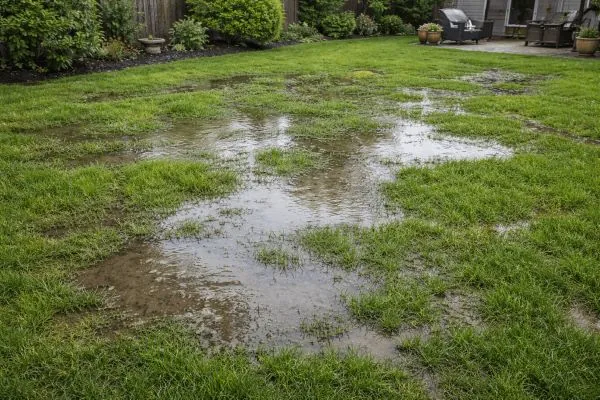
If your lawn is getting too much water, you’ll start to notice clear warning signs. You might see puddles that don’t drain, feel soggy ground under your feet, or notice more weeds thriving in the damp conditions. Your grass may even turn yellow as excess water suffocates the roots, and in worse cases, dead patches can appear due to fungal disease. To keep your lawn healthy, you should water early in the morning, focus on deeper but less frequent watering, aerate the soil to prevent compaction, avoid cutting the grass too short, and remove weeds quickly. By paying attention to these signs and adjusting how you care for your yard, you can maintain the right balance of moisture and keep your grass strong and vibrant.
Read more

When To Stop Watering Your Lawn

Proper lawn watering is essential for maintaining healthy, green grass—but knowing when to stop watering your lawn is just as important as knowing when to start. Overwatering can lead to yellowing grass, fungal diseases, pests, and wasted water. Tatum Lawn Care LLC, serving Moses Lake, recommends adjusting your watering schedule based on weather, soil conditions, and seasonal changes. You should pause watering when rainfall has already provided sufficient moisture, as watering during rainy periods can cause weed growth and lawn disease. If your lawn is showing signs of fungus or pest infestations, excess water can make the problem worse—professional treatment and controlled watering are key. Soil type also matters: sandy soil drains quickly and may need more frequent watering, while clay or loamy soil retains moisture and is more prone to overwatering. As fall approaches, continue watering only as long as the ground remains unfrozen. Once nighttime temperatures stay below 50°F or the first hard frost hits, it’s time to stop watering for the season. Watering frozen soil won’t benefit your grass and can damage your lawn. For expert lawn care, irrigation services, and seasonal watering guidance in Moses Lake, trust Tatum Lawn Care LLC. Call 509-765-4000 today to keep your lawn healthy year-round.
Read more