Many homeowners wonder: Is mulching good for lawns? Or, is it better to bag and dispose of grass clippings?
The answer depends on the circumstances. When in doubt, the best way to nail down an effective mowing routine is with the help of contractors providing lawn care in Moses Lake, WA. These experienced professionals can assist homeowners in the “to bag or not to bag” debate and provide other grass maintenance services to promote a healthy and beautiful lawn.
Learn more about the benefits of mulching a lawn and when it’s better to bag before booking a professional maintenance appointment for additional help.
Before leaving grass clippings on the lawn, it’s important to understand the difference between a mulching mower and a traditional discharging one. Every mower has a discharge chute that allows grass clippings to escape, either into a bag or the lawn, but mulching mowers cycle the clippings through the blades again to create a finer shred that is ideal for mulching.
Leaving discharged clippings in place can serve the same purpose as mulch if they aren’t so long or clotted that they completely cover the grass and impede growth. The benefits of leaving clippings in place(mulched or otherwise) include:
Mulching is an important part of lawn health improvement, as the clippings provide water and nutrients to the soil. The organic matter decomposition feeds the earth and the grass’s new growth with essential nitrogen, phosphorus, and potassium. The process supports the microbial life beneath the soil’s surface, fostering healthier grass and stronger root systems.
As with woodchip mulch around the base of trees and shrubbery, grass mulch supports moisture retention by slowing evaporation from the top layer of soil. This may be especially beneficial to grasses in drought-prone areas and can reduce the costs and time spent on watering the lawn.
Mulching boosts microbial activity in the soil, which is essential to controlling thatch development. Proper mulching can also aid in thatch prevention by allowing regular mowing and avoiding overapplication of fertilizers. The only exception to mulching improving thatch is when the grass mown is excessively long because it can be tough and stalky, breaking down too slowly to provide nutrients without suffocating the growing blades below.
Clippings provide health benefits to the lawn, and homeowners can enjoy less work with this method. Bagging, blowing, and raking clippings can take serious effort, and leaving them in place eradicates the need for this extra work.
While it has many benefits, mulching a lawn with grassclippings can do more harm than good in some cases. For excessively long grass,leaving the clippings in place can cover too much of the new growth to allow for adequate light and nutrient exchange. Longer or wet, clumping grasses also add excess strain to mulching mowers and damage the blades or motor over time.
It is also better to bag clippings when signs of disease are present to avoid spreading the issue. Grass cut toward the end of summer, when the first autumn leaves fall, may also be better off bagged to prevent leafpile-up.
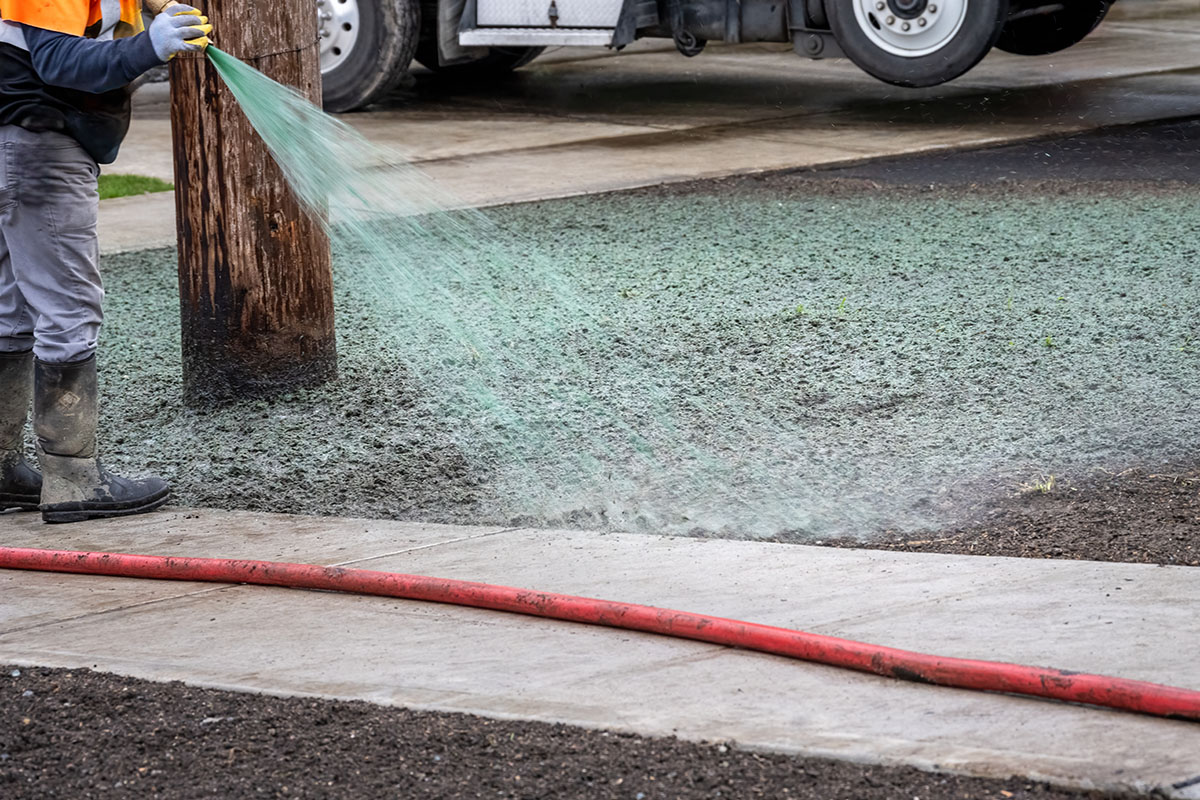
Tatum Lawn Care LLC offers reliable lawn services throughoutMoses Lake, WA. Our expert team can assist with everything from regular maintenance to full-scale landscape renovations that transform a lawn and boost curb appeal. Locals also trust our experienced contractors to provide irrigation services, hydroseeding, thatchremoval, insect control, trimming, pruning, and de-icing.
We hope this guide has helped answer the question: Is mulching good for lawns?
When you need help transforming or maintaining a lawn, turn to Tatum Lawn Care LLC for exceptional service that promotes your grass's long-term health and appearance. Enjoy sustainable results and revolutionize your lawn care today; call 509-765-4000 to get started.


Discover valuable tips, expert advice, and industry insights on commercial cleaning, floor care, and creating a healthier, more productive space. Stay informed with our latest posts!
See All Blogs
Proudly serving Moses Lake and surrounding areas with expert lawn care and landscaping solutions. Explore our service areas to see how we can help you!
Learn more
.avif)