Top 10 Lawn Mowing Mistakes To Avoid for a Healthier Yard

1. Using Dull Mower Blades

Check the blades underneath your lawnmower to ensure they'resharp enough for the job. If you cut the grass with dull mower blades, thevegetation may appear ragged because the blades can't trim the grasseffectively. 

Property owners should sharpen their equipment at least onceduring the growing season for optimal results. If you're not comfortable withthis project, reach out to a professional for guidance. 

2. Cutting Wet Grass

After a rainstorm, grass blades often look taller, so youmay feel tempted to run over them with a mower. This is one of thebiggest lawn care mistakes you can make. Saturated grasstends to clump when mowed, so wait until the yard is completely dry. 

3. Working During Peak Temperatures

While you want the lawn to be dry, experts advise againstcutting it during the hottest part of the day. Minimize stress on the grass bytackling this project in the morning or late afternoon. 

4. Not Cutting the Grass Often

One of the top lawn mowing mistakes is spacing out yourlandscaping work during the growing season. Aim for a mowing frequency thatprevents the grass from becoming too dense, making upkeep easier in the longrun.

5. Scalping the Lawn

You're supposed to cut the grass before it becomes too talland unruly, but you don't have the time to regularly give the yard a trim.Should you allow for maximum time between cuts by scalping the lawn so thegrass is barely poking out of the soil?

This may seem like a sensible solution, but it can bedetrimental to your lawn. There's a greater risk of weed growth and diseasewhen you keep the grass too short. The ideal post-mowing height is roughly 4inches above the soil.

6. Always Mowing in the Same Direction

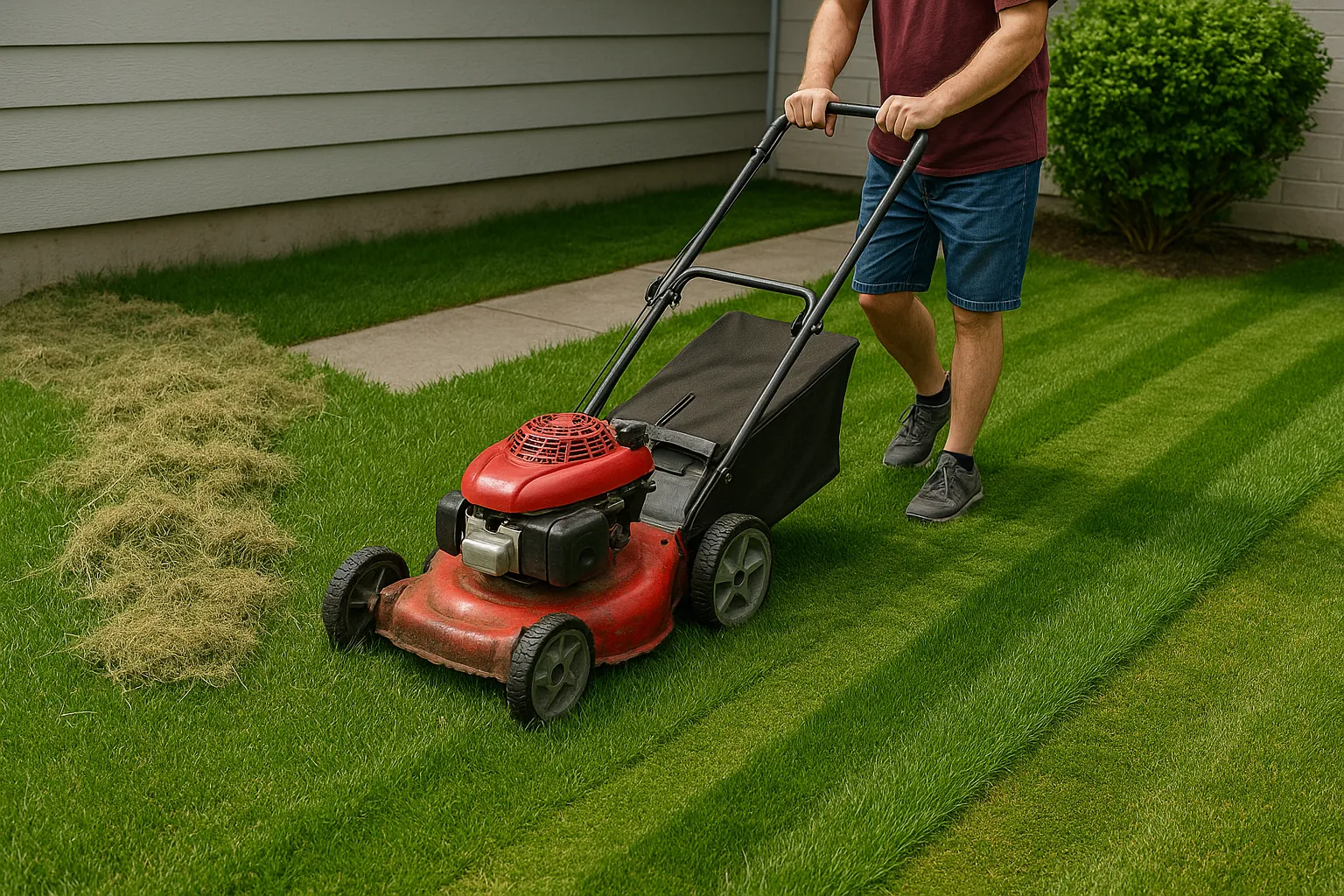
It's easy to fall into a routine when cutting your grass. Inreality, this is one of the top lawn mowing mistakes to avoid. Change yourmowing pattern every time the grass needs a trim, as this encourages evengrowth.

7. Avoiding Overlap

You may try to keep clean lines when mowing the yard.However, in your efforts to prevent overlapping lines, you may end up withstreaks of taller grass. Don't be afraid to cross the line slightly, as thisensures a uniform cut. 

8. Always Bagging Grass Clippings

Grass clippings serve as natural mulch and fertilizer.Rather than paying for these products, why not feed your lawn nutrients usingthe clippings from its last trim? As a bonus, your mower will be lighter andeasier to maneuver without a full bag. 

9. Ignoring Mower Maintenance

Get the most out of your lawnmower by performing routinemaintenance. This includes:

  • Sharpening the blades (see mistake #1 above)
  • Inspecting the tires
  • Changing the oil
  • Cleaning the mower deck

10. Mowing Over Debris 

Whenever your yard is due for a trim, it's wise to remove any litter or debris before you start. Running the blades over sticks, rocks, pine cones, and other objects can damage the machine and potentially send items flying into the air. Rake these objects to prevent any damage to your mower. 

Let Our Experts Enhance Your Yard 

Investing in professional lawn care benefits you and ensures that you'll avoid the lawn mowing mistakes discussed above. Why wait to give your yard the best care possible? Reach out to Tatum Lawn Care LLC at 509-765-4000to request a quote for our year-round and seasonal landscaping services. 

Owner & Lawn Care Expert
With over 40 years of experience, Bob Tatum leads Tatum Lawn Care, providing reliable residential and commercial lawn services in Moses Lake and beyond. As a second-generation professional, he specializes in custom lawn care, irrigation, and landscape management, ensuring high-quality results for every client. Dedicated to excellence and community service, Bob continues to make Tatum Lawn Care a trusted name in the industry.

How To Identify Common Lawn Pests

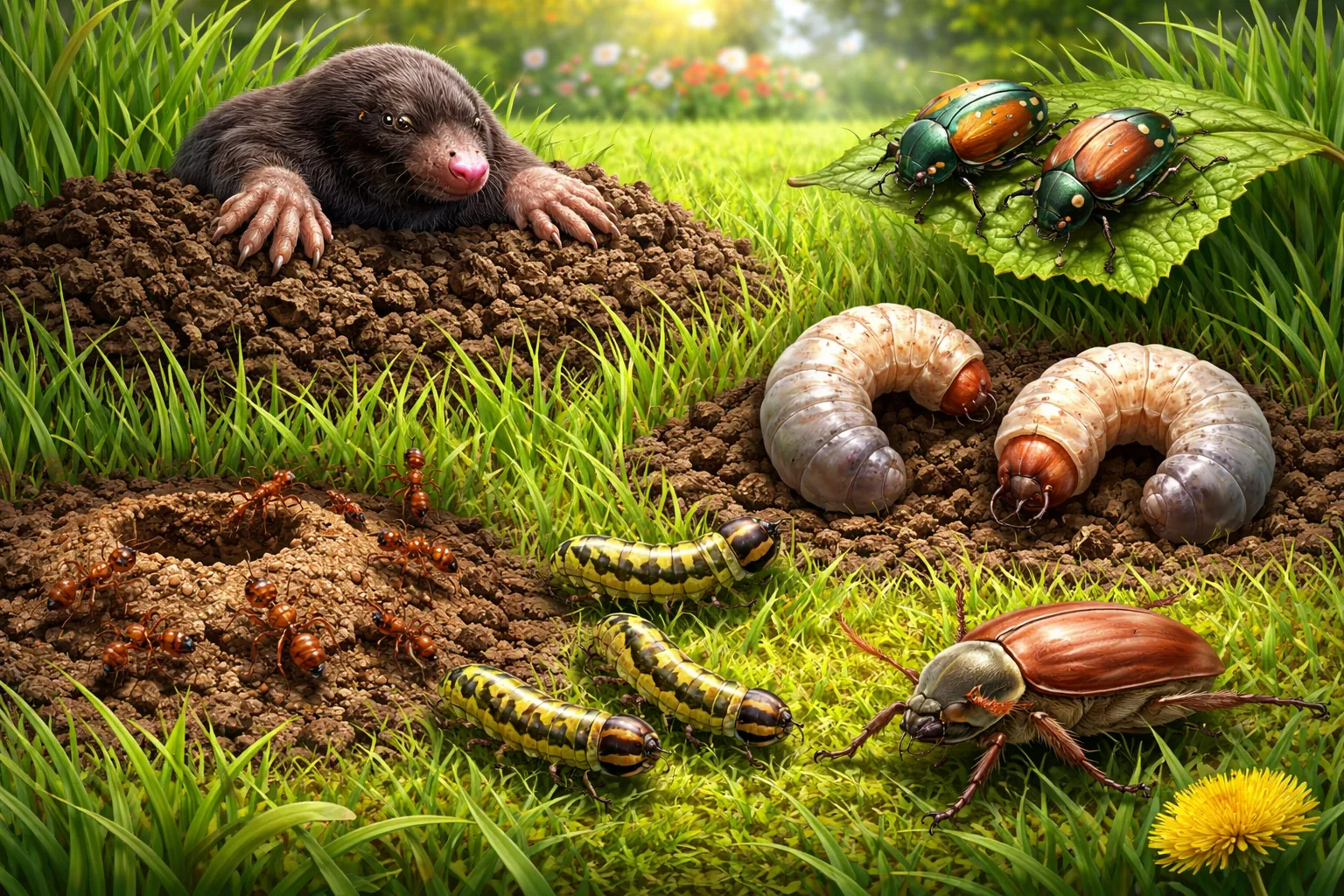
If your lawn is looking thin, brown, or unhealthy, lawn pests may be the cause. While issues like improper watering, poor soil, or mowing too short can damage grass, insects often create distinct signs you can spot. You may notice visible insects such as C-shaped grubs in the soil, caterpillars on the surface, or tiny chinch bugs near the base of your grass. Increased bird, mole, raccoon, or skunk activity can also signal pests beneath the surface. If your lawn feels spongy when you walk on it or develops irregular brown patches that don’t improve with watering, insects could be damaging the roots. Different pests leave different clues. Grubs feed on grass roots and cause turf to peel up easily. Chinch bugs suck sap from grass blades, creating dry, brown patches that resemble drought stress. Sod webworms chew grass blades, while billbugs hollow out stems and make grass easy to pull from the soil. Armyworms feed aggressively on grass blades and can create circular bare spots. Identifying the problem is the first step, but proper treatment and prevention are essential to restore your lawn’s healthy, green appearance. Professional lawn care can help you accurately diagnose pest issues and apply the right treatment to protect your yard long-term.
Read more

How to Spot If Your Lawn Is Getting Too Much Water

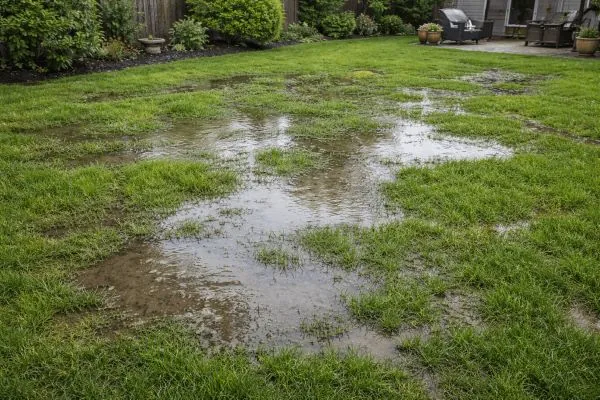
If your lawn is getting too much water, you’ll start to notice clear warning signs. You might see puddles that don’t drain, feel soggy ground under your feet, or notice more weeds thriving in the damp conditions. Your grass may even turn yellow as excess water suffocates the roots, and in worse cases, dead patches can appear due to fungal disease. To keep your lawn healthy, you should water early in the morning, focus on deeper but less frequent watering, aerate the soil to prevent compaction, avoid cutting the grass too short, and remove weeds quickly. By paying attention to these signs and adjusting how you care for your yard, you can maintain the right balance of moisture and keep your grass strong and vibrant.
Read more

When To Stop Watering Your Lawn

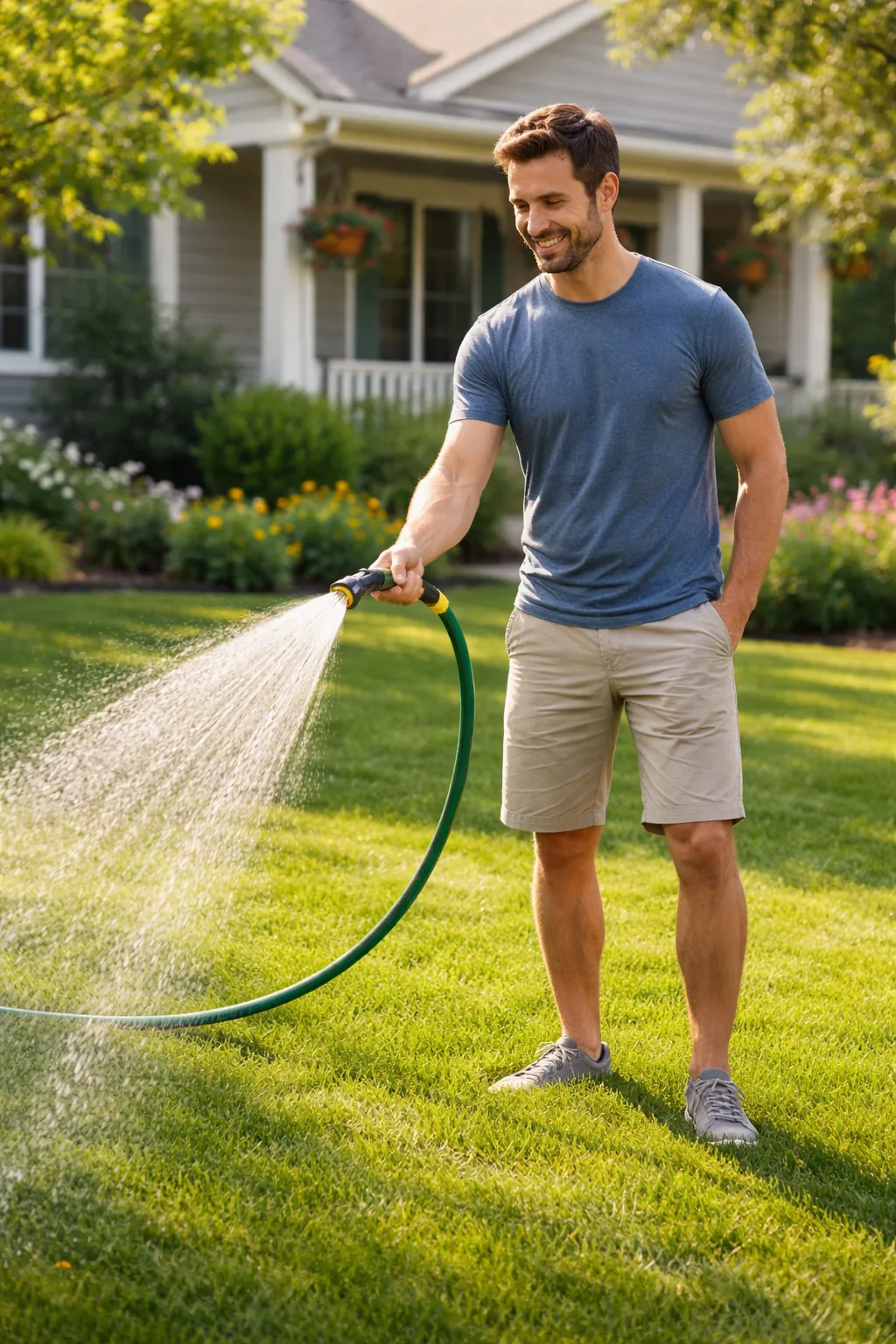
Proper lawn watering is essential for maintaining healthy, green grass—but knowing when to stop watering your lawn is just as important as knowing when to start. Overwatering can lead to yellowing grass, fungal diseases, pests, and wasted water. Tatum Lawn Care LLC, serving Moses Lake, recommends adjusting your watering schedule based on weather, soil conditions, and seasonal changes. You should pause watering when rainfall has already provided sufficient moisture, as watering during rainy periods can cause weed growth and lawn disease. If your lawn is showing signs of fungus or pest infestations, excess water can make the problem worse—professional treatment and controlled watering are key. Soil type also matters: sandy soil drains quickly and may need more frequent watering, while clay or loamy soil retains moisture and is more prone to overwatering. As fall approaches, continue watering only as long as the ground remains unfrozen. Once nighttime temperatures stay below 50°F or the first hard frost hits, it’s time to stop watering for the season. Watering frozen soil won’t benefit your grass and can damage your lawn. For expert lawn care, irrigation services, and seasonal watering guidance in Moses Lake, trust Tatum Lawn Care LLC. Call 509-765-4000 today to keep your lawn healthy year-round.
Read more